Discovering Practicality: The Benefits of Sauce Sachets in Modern Packaging Solutions
In the last several years, sauce sachets have gained traction as a preferred packaging solution in the food industry. Their single-use design caters to a number of consumer needs, from convenience to portion control. As lifestyles grow more fast-paced, the appeal of lightweight, travel-friendly options grows. Still, the benefits extend beyond mere convenience. There are greater implications for sustainability and health that deserve exploration. What factors are driving this shift in consumer behavior?
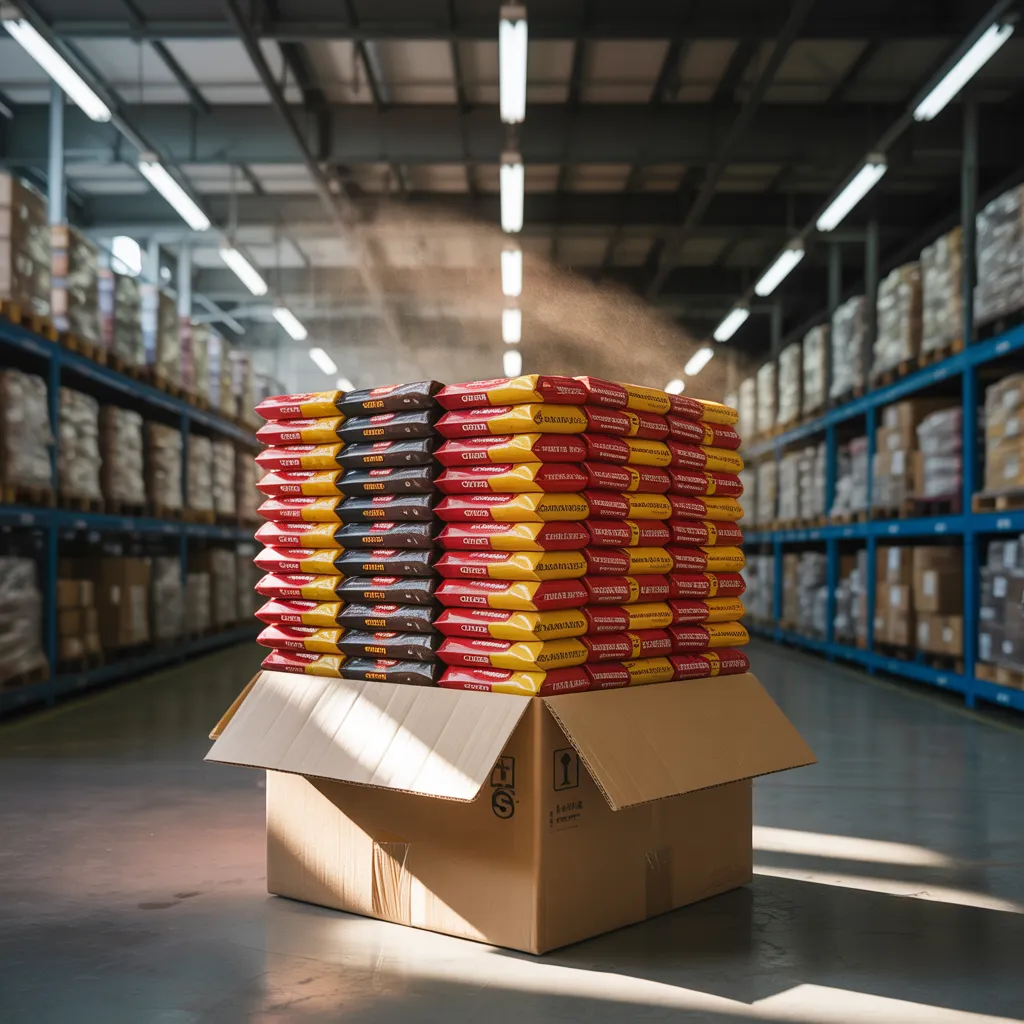
The Rise of Sauce Sachets: Why They're Taking Over Modern Packaging
As diners more and more pursue convenience in their meal experiences, sauce sachets have emerged as a popular solution in modern packaging. These small, single-serving packets deliver a practical alternative to traditional sauce containers, accommodating the fast-paced lifestyles of today's diners. The increase of sauce sachets can be attributed to their convenience, ease of use, and minimal waste, making them especially appealing for on-the-go meals.
Producers have identified the growing demand for these sachets, bringing about a broader variety of sauces provided in this format, including well-liked choices like ketchup, mustard, and specialty sauces. Additionally, sauce sachets support sustainability efforts, as they often require less packaging material than larger containers. This shift not only fulfills consumer preferences but also resolves environmental concerns. In summary, the growth of sauce sachets indicates a notable change in how sauces are packaged and consumed, reflecting a broader trend toward convenience in food products.
Convenience as a Priority: Why Consumers Prefer Sauce Sachets
Buyers progressively prefer sauce sachets due to their portability and ease, providing easy use during busy lifestyles. These individual-serving packets also give portion control, ensuring that individuals to consume just the right amount without surplus. Moreover, sauce sachets promote reduced waste, satisfying environmentally aware buyers seeking sustainable alternatives.
On-the-Go Convenience
In what ways does the move toward portable living affect consumer dining choices? As convenience becomes a priority for shoppers, portable meal choices gain greater popularity. Individual sauce portions have developed into a convenient option, enabling people to savor their preferred tastes while avoiding oversized packaging. These disposable sachets accommodate fast-paced routines, allowing simple meal improvement in workplace settings, on trips, or throughout recreational activities. Furthermore, individual portions prevent the disorder connected with standard condiment dispensers, offering a more efficient approach. This flexibility matches current shopper expectations looking for fast, convenient meal options. In conclusion, condiment packets symbolize an important advancement in packaging design, creating an effortless fusion of culinary enjoyment and ease for contemporary on-the-go living.
Benefits of Controlling Portions
Portion management has emerged as a key component in modern dining, especially since health-conscious individuals seek to harmonize flavor with moderation. Sauce sachets provide a practical solution, allowing consumers to savor their favorite condiments without overindulging. Each sachet offers a pre-measured serving, which enables individuals control calorie intake while still enriching their meals. This method eliminates guesswork, promoting more mindful eating habits. Moreover, the convenience of sachets makes it more straightforward to stick to dietary goals, as they can be easily carried and accessed when dining out or on-the-go. By incorporating portion control into their eating routines, consumers can enjoy flavors responsibly, aligning their culinary experiences with their health aspirations. Consequently, sauce sachets have emerged as a popular choice in modern dining.
Minimized Waste Solutions
The transition to sauce sachets not only enables portion control but also significantly helps in reducing waste in culinary operations and use. By offering single-serving sizes, sachets decrease the likelihood of leftover sauces that often get wasted and finally disposed of. This focused packaging approach helps restaurants and consumers alike control their sauce intake more effectively, resulting in less food waste overall. Additionally, the compact design of sachets enables efficient storage and transportation, lowering the carbon footprint linked to packaging. As sustainability becomes a priority for consumers, the use of sauce sachets aligns with eco-friendly practices. This innovative solution illustrates how modern packaging can fulfill the demands of convenience while resolving environmental concerns, ultimately improving the dining experience.
Portion Management: Reducing Waste Through Sauce Sachets
While many consumers appreciate the convenience of portable food options, sauce sachets play a pivotal role in overseeing portion control and minimizing food waste. These individual-portion packets allow individuals to use exactly the correct quantity of sauce for their meals, avoiding excess from being wasted. Different from traditional bottles that may encourage over-pouring, sachets deliver a fixed quantity, corresponding to consumer demands for moderation and sustainability.
Portable Solutions: How Sauce Sachets Maximize Ease for Mobile Meals
Sauce sachets offer a practical solution for people wanting convenience in eating while traveling. Their compact and lightweight design facilitates easy transport, while the ready-measured amounts facilitate meal preparation without waste. Moreover, the minimal cleanup involved makes them an excellent option for active lifestyles.
Simple Serving Size Control
Convenience serves as an essential factor for individuals seeking quick meal options, and sauce sachets present an ideal solution for easy portion control. These tiny, pre-measured packets allow consumers to dispense just the right amount of sauce without the need for measuring tools or guesswork. This not only minimizes food waste but also enhances the dining experience by ensuring that each meal is perfectly flavored. Furthermore, sauce sachets cater to diverse dietary preferences, allowing users to choose specific flavors and quantities according to their needs. The ease of use promotes portion control, helping individuals copyright a balanced diet while enjoying their favorite sauces. Overall, sauce sachets considerably simplify meal preparation for those with busy lifestyles.
Slim and Lightweight
For people living fast-paced lifestyles, the lightweight and compact nature of sauce sachets makes them an perfect solution for on-the-go meals. These compact pouches easily fit into pockets, bags, or lunchboxes, offering a effortless way for flavor enhancement without the bulk of standard containers. Their portability permits individuals to appreciate a diverse selection of sauces, from ketchup to gourmet dressings, wherever they are, whether at school, work, or while traveling. Furthermore, sauce sachets can be brought to picnics, camping trips, or road trips, ensuring that meals remain tasty and delicious without the added weight. This practicality fits excellently with the quick-moving way of life countless people follow currently, making meal customization uncomplicated and seamless.
Minimum Cleanup Necessary
Getting rid of the hassle of cleanup, sauce sachets deliver a practical solution for those consuming meals on the go. Unlike traditional condiment containers, sachets are made for single-use, ensuring that users can easily dispense the desired amount of sauce without the mess of spills or drips. This feature is notably advantageous for busy individuals who may eat in their automobiles, at the workplace, or during outdoor activities. With no need for utensils or additional vessels, sauce sachets simplify the dining experience, allowing consumers to focus on convenience and flavor. Furthermore, the compact nature of sachets means they can be readily stored in bags or pockets, supporting an overall minimalist and efficient approach to dining while traveling.
Versatile Uses: Not Just Condiments
Sauce sachets have evolved beyond their original role as basic condiment dispensers, displaying a notable versatility that allows them to serve multiple culinary and creative purposes. These compact, sealed packets are now utilized for numerous applications, including salad dressings, marinades, and cooking sauces, making them an vital addition to food preparation and dining experiences.
Moreover, sauce sachets have entered the fields of catering and food trucks, providing convenience for both vendors and consumers. They deliver just the right amount of flavor without the need for awkward bottles or jars.
Furthermore, innovative uses include integrating special flavors into cocktails or desserts, providing culinary professionals and home chefs the flexibility to create without waste. Thus, sauce sachets have gone beyond their traditional boundaries, becoming multi-purpose items that elevate creative cooking and improve food service operations.
Environmentally Conscious Selection: How Sauce Sachets Support Environmental Sustainability
While various packaging solutions contribute to environmental challenges, sauce sachets have become a sustainable solution in the food industry. These disposable packets are commonly made from recyclable materials, decreasing the overall waste footprint when measured against bulk packaging. Their lightweight design reduces transportation emissions, subsequently enhancing their eco-friendliness. Additionally, sauce sachets provide portion control, which assists in prevent food waste. By offering precisely the right amount of sauce required, consumers are not inclined to discard unused products.
Moreover, innovations in biodegradable materials are increasingly being implemented into sachet production, encouraging a circular economy. This transition towards eco-friendly ingredients not only strengthens sustainability efforts but also matches consumer preferences for greener alternatives. In a world where decreasing waste is essential, sauce sachets present an innovative solution that combines convenience with ecological responsibility, making them a important option in the modern packaging landscape.
Reducing Expenses: The Cost-Effectiveness of Sauce Sachets
Sauce sachets present a economically smart option for both consumers and businesses. By decreasing packaging costs and allowing precise portion control, they aid in minimizing waste and streamline costs. This financial benefit makes sauce sachets an desirable choice in current packaging solutions.
Decreased Package Expenditures
As companies look to streamline their operating costs, the cost-effectiveness of sauce sachets proves to be a compelling solution. These small, flexible packages utilize less material than typical containers, considerably reducing manufacturing and transportation costs. The lightweight quality of sachets permits efficient transportation, minimizing fuel expenses and carbon emissions. Moreover, their compact size supports space-saving storage, resulting in lower warehousing costs. Manufacturers can also take advantage of reduced labor costs related to packaging, as sachets often involve simpler, automated filling processes. By lowering overall packaging expenses, businesses can distribute resources more effectively, boosting profitability. In conclusion, sauce sachets offer a financially wise option for companies seeking to streamline their packaging strategy while maintaining product quality and appeal.
Advantages of Portion Control
Smart portion control is a significant advantage of using sauce sachets, directly contributing to cost savings for both businesses and consumers. By providing pre-measured servings, sachets decrease the risk of overuse and waste, ensuring that each drop of sauce is used effectively. This is particularly beneficial for restaurants and food service establishments, where ingredient costs can greatly impact profitability. For consumers, the ability to use only what is needed can lead to reduced grocery bills and less food waste at home. Additionally, sauce sachets allow for greater versatility in meal preparation, encouraging users to experiment without committing to large quantities. Overall, sauce sachets serve as a practical solution that enhances financial efficiency in food consumption.
Customizing Sauce Sachets: Tailoring Flavors for Clients
When customers look for a unique dining experience, the customization of sauce sachets serves as a powerful tool for brands to cater to diverse tastes. By offering a variety of flavors, brands can improve customer satisfaction and loyalty. Customized sauce sachets allow consumers to select their preferred condiments, whether it be spicy, sweet, or savory options, thus enhancing their meals.
This personalization movement also allows brands to stand out in a saturated industry. By working alongside chefs and flavor experts, companies can create signature sauces that connect with specific demographics or culinary trends. Special-edition and seasonal flavors can further captivate customers, inspiring them to experiment with their meals.
Moreover, personalized sauce sachets can attract niche markets, including vegan or gluten-free customers, guaranteeing that all customers feel included. This strategic approach both enhances the dining experience but also strengthens brand identity and fosters deeper connections with customers.
Hygiene and Safety: Cleanliness Benefits of Sauce Sachet Packaging
The emphasis on customization in sauce sachets naturally leads to considerations of health and safety, specifically relating to hygiene. This packaging method substantially decreases contamination risks, as each sachet is individually sealed, protecting its contents from external pollutants. Unlike shared containers, which can accumulate bacteria from multiple users, sachets assure that sauces remain uncontaminated until they are opened.
Moreover, the single-use design minimizes the likelihood of cross-contamination, making sauce sachets an ideal choice for foodservice operations. They also eliminate the need for utensils, further minimizing potential sources of germs. In a world increasingly concerned with health, the convenience of sachets aligns with consumer demand for safe dining experiences. This aspect of sauce sachets not only bolsters food safety but also instills confidence in patrons, thereby encouraging a complete approach to health-conscious dining. All in all, these hygiene benefits underscore the essential role of sauce sachets in modern packaging solutions.
The Future of Sauce Sachets: Key Trends to Monitor
With buyers increasingly valuing sustainability and convenience, the future of sauce sachets is set for considerable innovation. Manufacturers are investigating biodegradable and compostable materials to reduce environmental impact, matching growing eco-conscious consumer preferences. Innovations in packaging technology are also advancing, with smart sachets that can signal freshness or alter their properties in response to temperature changes.
Moreover, the movement towards personalization carries on, with brands offering customizable sachets that permit consumers to mix and match flavors according to their tastes. This transformation not only enhances user experience but also fosters brand loyalty.
Moreover, the implementation of digital technology into packaging is anticipated to increase, permitting consumers to obtain recipe ideas and nutritional information via QR codes on sachets. As these trends progress, sauce sachets are poised to become even more versatile and appealing, positioning them as a staple in the modern culinary landscape.
Popular Questions
Are Sauce Packets Recyclable or Compostable?
These condiment sachets are usually not recyclable owing to their multi-material composition, which often include plastic and aluminum. Some brands are exploring compostable options, however general availability continues to be limited, necessitating proper waste management.
What Is the Shelf Life of Sauce Sachets Before They Expire?
Sauce packets typically last between six months and two years before expiration, contingent upon the ingredients and storage conditions. Properly sealed and stored in a cool, dry place, they retain quality for an extended period.
Which Materials Are Used in Sauce Sachet Production?
Sauce packets are commonly manufactured from materials including polypropylene, polyethylene, or various plastic film combinations. These materials provide durability, barrier protection against air and moisture, and flexibility for simple sauce distribution.
Are Sauce Sachets Suitable for Hot Sauces?
Absolutely, sauce sachets can be used for hot sauces. They are engineered to withstand heat, providing easy packaging of spicy condiments, making them perfect for on-the-go consumption without compromising flavor or quality.
Do Common Sauce Sachets Have Any Allergens?
Standard sauce sachets might include allergens such as soy, wheat, dairy, or tree nuts, depending on the ingredients used. Consumers should attentively read additional resource labels to recognize potential allergens and secure safe consumption.